
You guys appear to be enjoying my Nickel Allergy series and it is by now one of the things that I am found through search engines most often. So many people have reached out, and let me know how helpful this series has been. How much it changed their life, and also how alone they felt walking through the same or a very similar process to me. Thank you to everyone who has left a comment🙏🏻. From the bottom of my heart, I cannot tell you how much that means to me. So today, I wanted to dive more into nickel in conjunction and relation to food. Is nickel in food? And if so, can it become dangerous to those of us who have a nickel allergy?

Nickel in the Body
As we know by now, nickel is a mineral that can be found in the soil, water, and air. That means that we can absorb nickel through the skin, our respiratory system, and, of course, our digestive tract. In the body, nickel is involved with certain chemical reactions and may assist with the absorption of iron. It is a vital micronutrient, which plays a role in increasing hormonal activity, and lipid metabolism. It is also one of the key enzymes that supports the degradation of urea.The overall absorption of nickel in the body is low, and estimated to be less than 10%. The majority of ingested nickel exits the body through either your urine or digestive tract. Nickel is not stored in your tissue nor organs, except for the thyroid and adrenal glands.
Nickel in Food
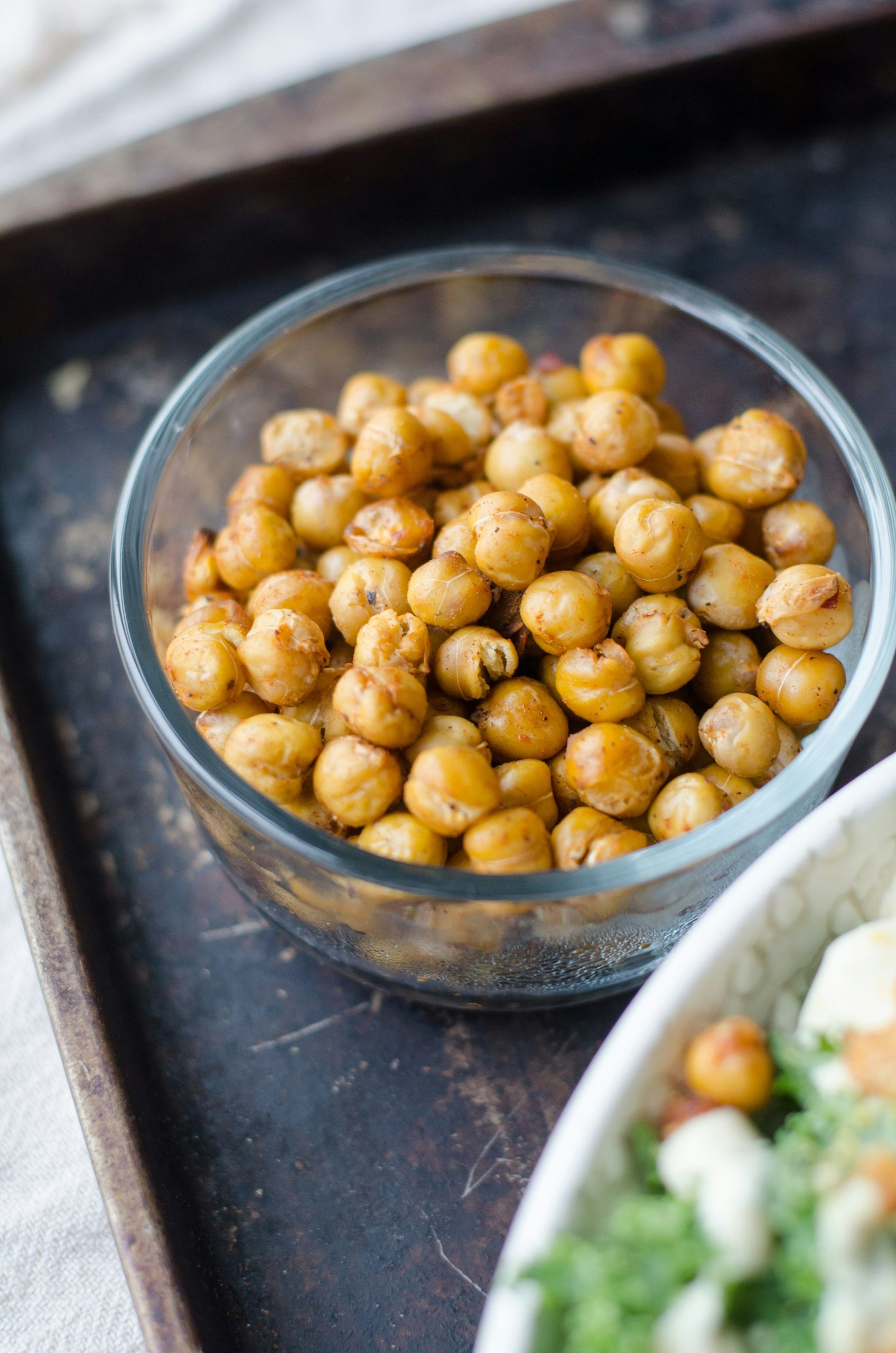
The soil and water connection means that nickel is oftentimes found in plant-based foods. However, depending on said soil and water conditions, even when we are talking about the same food, it means that the nickel content can, still, greatly vary. What has been shown is that cooking acidic foods in stainless steel may well increase the nickel content above what it already is. The below foods have been shown to have a higher nickel content than usually:
- Legumes
- Nuts
- Seeds
- Oats
- Chocolate (from milk powder or candy)
- Soybeans
Dietary Allowance of Nickel
There is not much to say on this topic, but I wanted to give it an honorary mention. There is no dietary allowance of nickel that has ever been set by any kind of agency. This is largely due to nickel not having been established as an important nutrient and/or its biochemical reaction studied at length.
This also means that nickel does not appear to be toxic to the human body
But, on the bright side, it also appears that there have been no proven harmful effects of people consuming nickel through their diet. There are a few cases of excess nickel intake, which have led to gastrointestinal upset (nausea, vomit, diarrhea). Those appear to be solely in conjuction with ingestion of contaminated water, rather than through food sources.
Nickel in Food and Nickel Allergy
If you are reading this, you likely have or had a bad reaction to nickel in the form of contact dermatitis, skin irritation or itchy rashes. I get you, because this has been the same for me. Be sure to check out the following posts as well, because with the right skin care and nickel-free make up hopefully your problems will largely (or completely) eliminate:
- My Nickel Allergy Journey – Part 1
- My Nickel Allergy Journey – Part 2
- What’s in my Nickel-Free Make Up Bag
- UPDATE: What’s in my Nickel-Free Make Up Bag
As said above, measuring nickel in food is almost impossible, and so is trying to follow a nickel-free diet. Trace amounts can also leach into foods when processed in factories. There are two things you can do in order to reduce your nickel content though:
- Do not cook acidic foods (e.g. tomatoes, vinegar, citrus fruits) in stainless steel cookwear, as it will increase the nickel content
- Be sure to keep your iron at an optimal level (you will have to do this in conjunction with a doctor and some blood tests). Nickel and iron compete inside the body for absorption, so keeping optimal iron levels should help with keeping your nickel absorption in check as well. Be sure to include some vitamin C into your diet, as this will also help with iron absorption
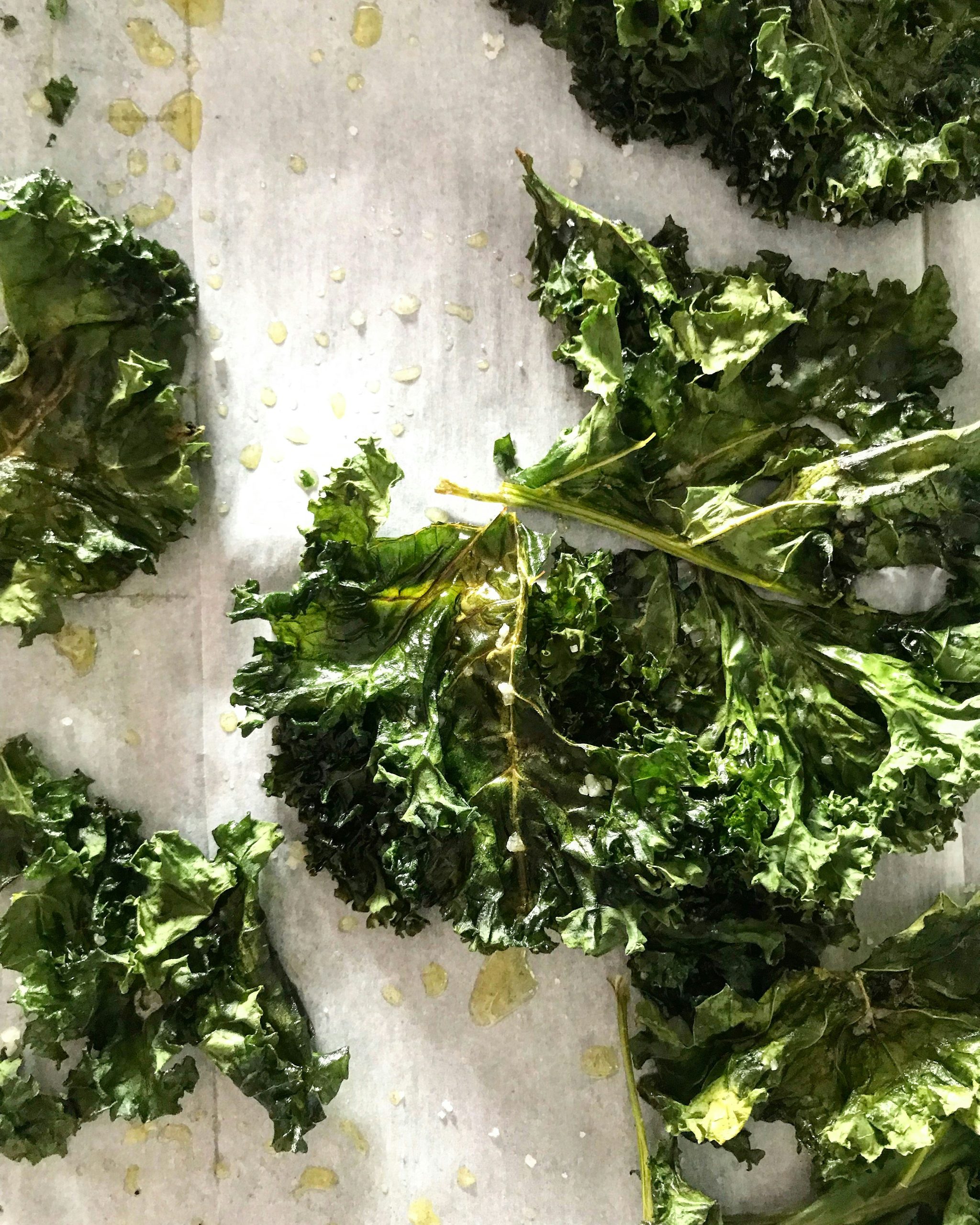
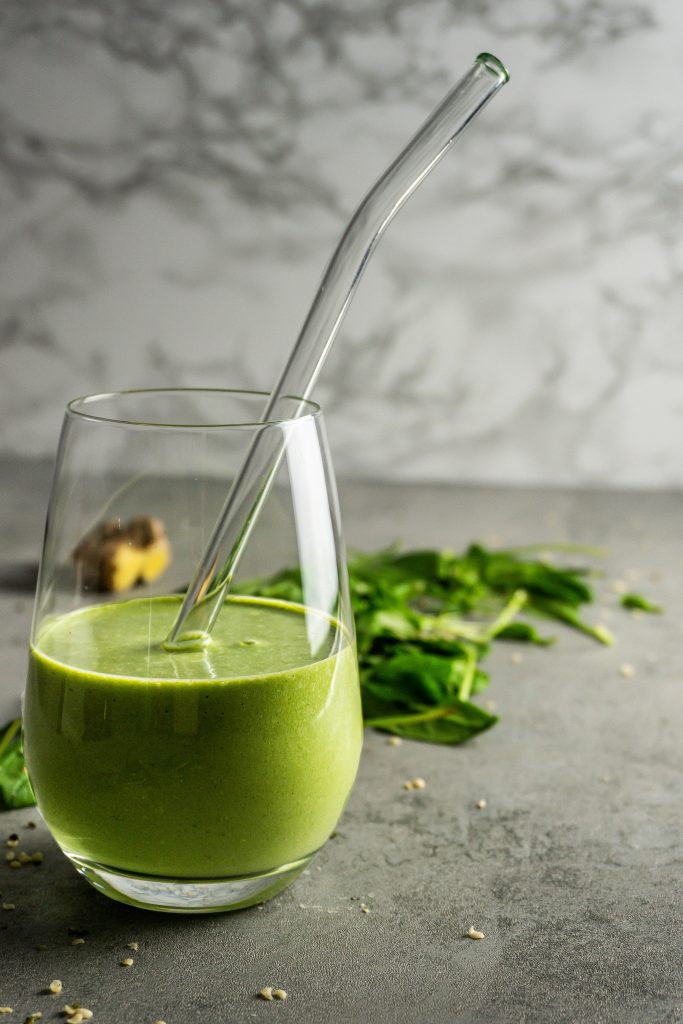
Plant-based foods that are high in iron include: Nuts and seeds, legumes, tofu, and dark leafy greens. Check out my Green Monster Smoothie or my Warming Winter Salad.
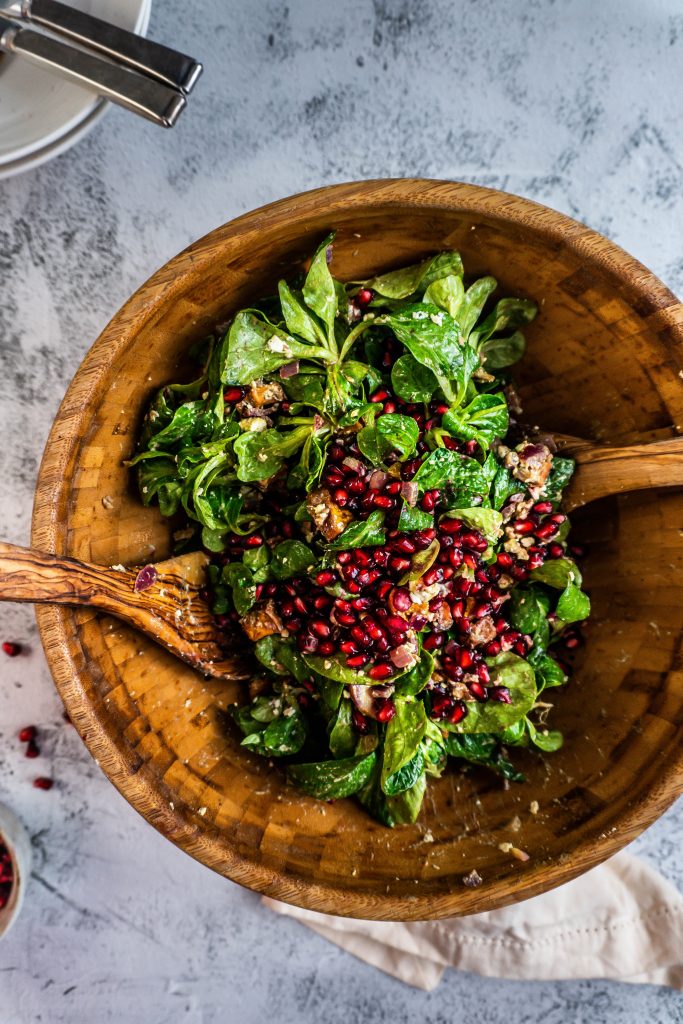
And that is it for this week. I hope you enjoyed this excourse into “Nickel in Food” and learned something new. Beautiful cover photo by Jennifer Schmidt on Unsplash.





So nuts, seeds, legumes and tofu (soy) are high nickel foods but you mentioned they are also high in iron. I understand the concept of the body preferring iron to nickel, and so the research suggests that if there is enough iron in my body, from food or supplements, my body will absorb a lot less nickel in the foods that i consume. Have you had success in consuming nuts, seeds, legumes and tofu from soy without having a reaction? I’ve avoided all of those foods for the last two years due to my nickel allergy however, I’m really hoping that you’re going to tell me you haven’t reacted to them, and it may be due to the high iron content causing the nickel to pass without being absorbed. PS I love your posts. Thank you so much for posting about Makeup. There’s a lot of crap out there that suggest “organic” or “clean makeup” means allergy free and unfortunately that is not true. You gave such a great explaination of nickel and its relation to the iron oxides and Ci77… and I learned a lot from that post.
Hi Lin, thank you so much for the kind words on the post! It is appreciated. I have to admit that it is so difficult to really, truly avoid all nickel in food that I don’t do it. BUT – I have also not reacted to it, and I also did not have any further outbreaks since very closely checking (always checking!!) what is in my skin- and make-up bag. Perhaps give it a try if your nickel allergy has calmed down and then you can see whether you are starting to react? If all else is equal, you should see that pretty quickly? Please always check with a physician though first :). Ann x